
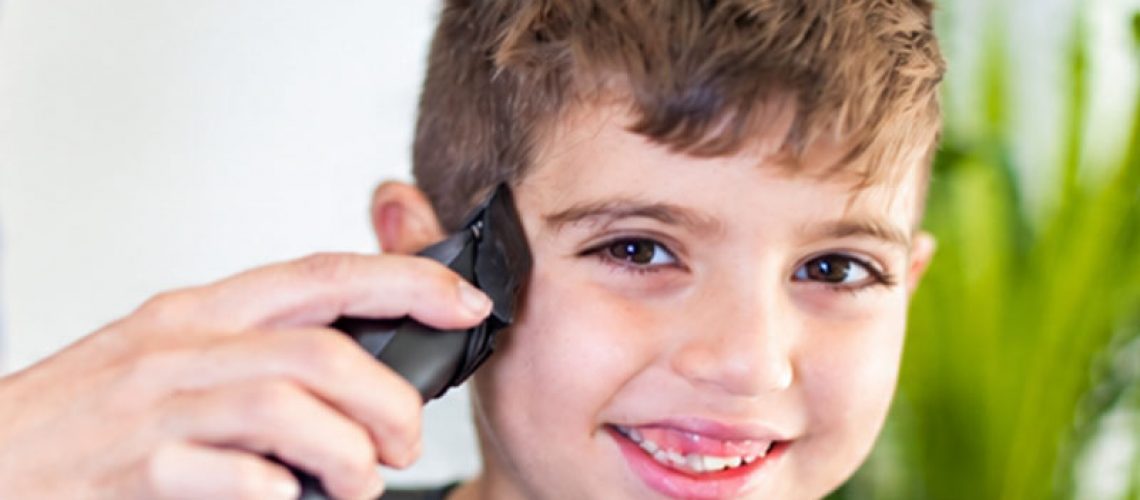
For some children, getting a haircut is a routine part of life. For others, it can be an overwhelming experience. The sounds of clippers, the feeling of hair falling onto their skin, unfamiliar smells, and having someone touch their head can make haircuts challenging. Children may also find it difficult to sit still or manage the uncertainty of what will happen next.
For children with sensory processing differences, autism or anxiety, these experiences can feel particularly intense. Understanding what makes haircuts difficult can help families create a more comfortable and supportive experience.
Prepare Before the Appointment
Preparation can help children understand what to expect and feel more confident. Try using a visual schedule or social story to explain each step of the haircut, from arriving at the salon to finishing the appointment. Watching videos of other children having haircuts can also help make the experience more predictable.
Practising at home is another way to build familiarity. Your child might pretend to cut a doll’s hair, practise using a comb or explore the sounds of hairdressing tools at a comfortable pace.
Some children may benefit from movement activities before their appointment, such as climbing, animal walks or pushing and pulling activities. These activities provide opportunities for physical movement before a potentially demanding experience. Where possible, choose a time of day when your child is usually well rested and comfortable.
Make the Haircut More Comfortable
Small adjustments during the haircut can make a meaningful difference. If your child needs additional physical support, consider whether sitting on a parent’s lap or having their feet firmly supported would help them feel more secure. Firm pressure or a weighted lap pad may also be helpful for children who find these sensations calming, provided they are comfortable with them.
Giving children choices can help them feel more involved and in control. For example, they might choose whether to sit on a parent’s lap or in the salon chair, whether to start with scissors or clippers, or when to take a short break. Simple countdowns, such as “three more snips, then a break”, can help children understand how much longer an activity will last.
Familiar activities can also help children feel more comfortable. Consider bringing a tablet, favourite toy or music to provide something familiar and enjoyable during the appointment. Bubbles or crunchy snacks may suit some children, where safe and appropriate.
Reduce Sensory Overload
Consider which parts of the haircut your child finds most difficult. If the sound of clippers is distressing, ear defenders or headphones may help. If unexpected touch is challenging, ask the hairdresser to explain what they are going to do before touching your child’s head.
You could also speak with the hairdresser beforehand about using slow, calm movements, allowing extra time and offering breaks when needed. Some salons may be willing to schedule appointments at quieter times or make adjustments to suit your child’s needs.
Focus on Progress, Not Perfection
Every child is different, and there is no single strategy that works for everyone. It may take time to discover which adjustments are most helpful for your child.
A successful experience does not always mean completing the entire haircut. Sitting in the salon chair, exploring the equipment or managing a few snips may be meaningful steps towards feeling more comfortable.
The goal is not simply to get the haircut finished, but to support your child to feel safe, understood and involved. With patience, preparation and flexibility, families can work towards making haircuts a more manageable experience for everyone.
Need support? An occupational therapist can help identify the sensory, emotional and functional challenges affecting your child’s experience of haircuts and develop individualised strategies to support participation in everyday activities.